What is insulin resistance, and does it mean diabetes?
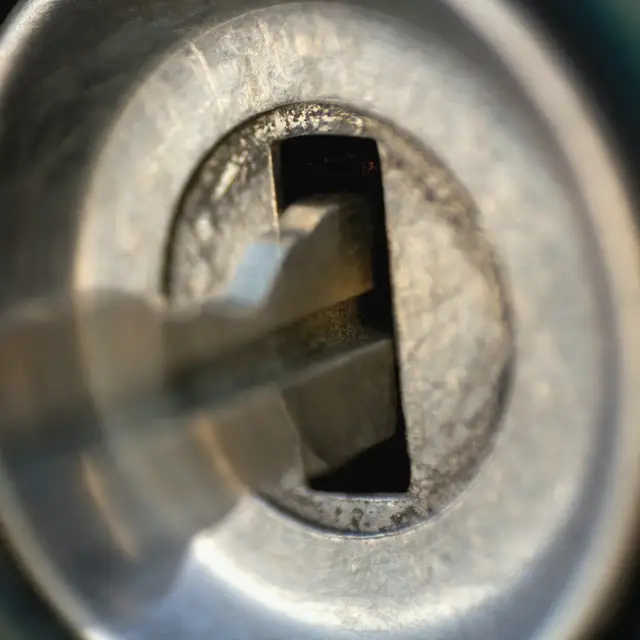
Insulin resistance is when the insulin signal that opens the cell’s door draws less response than it used to. As long as the pancreas covers the gap with extra output, blood sugar can even look normal; that’s why the picture goes unnoticed for years. Less a named disease than the ground diabetes grows on.
Resistance here doesn’t mean stubbornness or blame. It means the cell gets less work from the same signal. The strain shows most in muscle and liver: the signal waits, the door sticks. The pancreas senses it and raises output. The lock turns in the end, at greater cost than before.
The first stirring shows after a meal. Fasting plasma glucose stays quiet for years, while after breakfast or dinner postprandial blood sugar climbs higher than expected and is slow to fall. When beta cells can’t cover the overtime, the picture slides toward prediabetes or type 2 diabetes. Resistance begins long before diagnosis, so news of diabetes lands suddenly.
| What you look at | Insulin resistance | Diabetes |
|---|---|---|
| What it tells you | Cells answer the insulin signal less | Blood sugar past the diagnostic threshold |
| Blood sugar | Normal, borderline, or high | Above the diagnostic threshold |
| How it’s spotted | Clinical picture and indirect indicators | Glucose and HbA1c measurements |
| A named diagnosis? | No, a ground | Yes, a defined disease |
A high insulin result on a blood test raises this question. That number traces a pancreas working overtime, not a diagnostic number by itself. Commercial insulin tests differ widely: the same sample, another method, another answer. A standardization report comparing commercial methods treated that variability as an obstacle to consistent measurement. Guidelines worldwide therefore rest diagnosis on glucose and HbA1c measurements, not on insulin level.
Resistance is measured directly only in research: the clamp method, insulin fed through a vein with blood sugar held steady. It takes hours and needs a separate team. It won’t fit a clinic day.
Resistance doesn’t speak through sugar alone; other findings are common on the same ground:
- fatty liver
- a worsening lipid panel
- high blood pressure
- polycystic ovary syndrome
- skin turning dark and velvety in the nape and armpit folds
- Are borderline diabetes and insulin resistance the same?
- Borderline diabetes is the everyday name for blood sugar above normal but below the diabetes threshold. Insulin resistance is wider ground; it’s there even when sugar is entirely normal.
- If there’s insulin resistance, is diabetes certain?
- Not certain. Resistance raises the risk; it doesn’t write the outcome. Blood sugar stays below the diagnostic threshold as long as the pancreas keeps meeting demand.
Muscle’s share is decisive here. Most insulin-driven glucose uptake happens in skeletal muscle. That’s why walking, workday movement, and weight change sit at the center of insulin-response research. Resistance doesn’t hold one level for life. While beta cell capacity keeps up, blood sugar never crosses the diagnostic threshold.
Sources
- Freeman AM, Acevedo LA, Pennings N. Insulin Resistance. StatPearls [Internet]. Treasure Island (FL): StatPearls Publishing; updated 17 August 2023.
- Marcovina S, Bowsher RR, Miller WG, Staten M, Myers G, Caudill SP, Campbell SE, Steffes MW. Standardization of insulin immunoassays: report of the American Diabetes Association Workgroup. Clinical Chemistry. 2007;53(4):711-716. doi:10.1373/clinchem.2006.082214
- Czech MP. Insulin action and resistance in obesity and type 2 diabetes. Nature Medicine. 2017;23(7):804-814. doi:10.1038/nm.4350
- American Diabetes Association Professional Practice Committee. 2. Diagnosis and Classification of Diabetes: Standards of Care in Diabetes—2026. Diabetes Care. 2026;49(Suppl 1):S27–S49. doi:10.2337/dc26-S002