Is a between-meal snack a must?
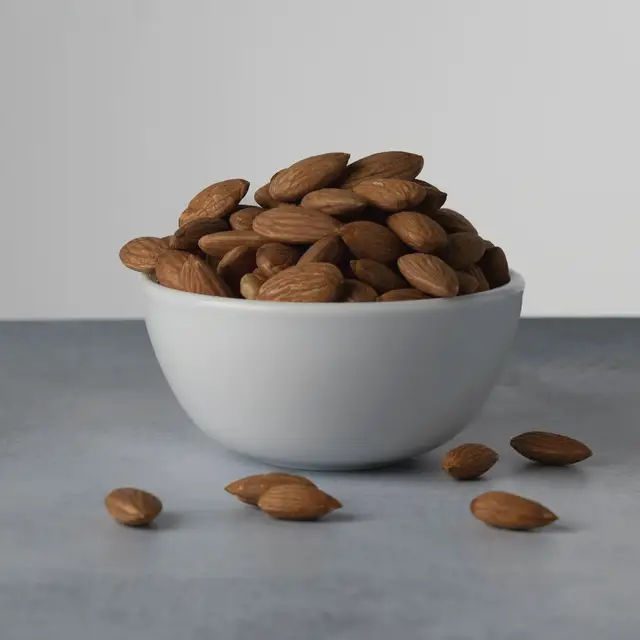
A between-meal snack isn’t required for everyone; whether you need one depends on the treatment you use. Three main meals plus three snacks was once almost a standard prescription, and everyone got the same schedule. Today the meal count is set per person, because treatment tools vary per person too.
The old rule didn’t come from nowhere. Insulin types common years ago had a long, wavy effect. When no meal met the effect’s peak hours, the day veered somewhere unexpected. A separate post on skipping meals explains why that gap makes trouble. A snack then was a ready precaution closing that gap. The tools changed; so did the reason for it.
Today’s picture is far more varied. Whether a snack does any good depends on which treatment someone uses. That treatment-based distinction belongs to “What is carb counting?”, not here. For the snack, one question only: is this meal inside the plan, or on top of the day? The same two slices of bread: a pre-counted line item in one plan, extra load in another.
An extra meal means extra carbohydrate. Studies comparing how many times a day people eat don’t all point one way. A small study split the same energy into two large meals versus six small ones; weight loss was clearer with fewer meals. Observational reviews, meanwhile, found no consistent link between eating frequency and body weight. The two don’t refute each other; both point to the day’s total being more decisive than the meal count. The issue isn’t the count, it’s the total.
| Situation | What the snack does there |
|---|---|
| Someone adjusting the dose per meal | Carries its own carbohydrate; the plan is built counting it |
| Fixed-dose insulin, or a medication prompting insulin release | Effect isn’t tied to the meal; long gaps gain importance here |
| Someone followed with diet and activity | Most of the time unnecessary; grows the day’s total |
| Long trip, shift, delayed meal | A practical precaution closing an unforeseeable gap |
Habit and need also get confused often. If the handful of nuts in the work desk drawer comes from late-afternoon hunger, that’s one answer; if from the reading’s tendency to dip between two meals, quite another. The first is a preference, the second a sign about treatment. They aren’t the same thing. When the one deciding isn’t the one eating, the distinction reads harder still; both show only as far as the outside sees.
Packaged snacks on the store shelf blur that distinction badly. A package labeled small portion is gone in a single evening’s sitting on the couch. A snack is a meal too; its contents don’t shrink because the name did.
Short answer: not a must; it depends on the treatment itself. The team that knows the treatment plan clarifies what it depends on.
Sources
- American Diabetes Association Professional Practice Committee. 5. Facilitating Positive Health Behaviors and Well-being to Improve Health Outcomes: Standards of Care in Diabetes-2026. Diabetes Care. 2026;49(Suppl 1):S89-S131. doi:10.2337/dc26-S005
- Gómez-Ruiz RP, Cabello-Hernández AI, Gómez-Pérez FJ, Gómez-Sámano MÁ. Meal frequency strategies for the management of type 2 diabetes subjects: A systematic review. PLoS One. 2024;19(2):e0298531.
- Kahleova H, Belinova L, Malinska H, et al. Eating two larger meals a day (breakfast and lunch) is more effective than six smaller meals in a reduced-energy regimen for patients with type 2 diabetes: a randomised crossover study. Diabetologia. 2014;57(8):1552–1560.
- Canuto R, da Silva Garcez A, Kac G, de Lira PIC, Olinto MTA. Eating frequency and weight and body composition: a systematic review of observational studies. Public Health Nutrition. 2017;20(12):2079–2095.