Food
Meal rhythm
 What changes when you eat out?When you eat out, the food itself doesn’t change; what you know about it shrinks. Portion size, the amount of frying oil, and the sugar in the sauce stay in the kitchen, out of sight on the plate. There is also timing: when the plate reaches the table is now someone else’s call. · 2 minRead more
The first unknown is portion. Businesses count a full plate as generosity, and the measure runs bigger than at home. In one study of large restaurant chain menus, nearly a quarter of starters and sides were main-course size alone. The same-named side can be small at one chain, several times bigger at the next.
The second unknown is what reached the plate unseen. Frying oil, sugar in a sauce, the glossy layer on a pastry come first. Home cooking shows it all at the pot; the menu brushes past in one line. Menu adjectives still hint: creamy, caramelized, and crispy often point to fat or sugar. Meals eaten out tend to run higher in energy density and salt than home cooking.
The third is estimation error. Estimates roam a wide band even at home; a separate post walks through that. On a restaurant plate it widens: nobody stood at the pot. When the menu prints nutrition information, the meal chosen drops somewhat in energy. Reviews call the effect real but modest, the evidence low certainty.
A few habits cut the uncertainty at nearly any table:
- Checking the menu before you leave. The decision comes before the hunger.
- Reading the cooking method: grilled, baked, and boiled are one plate, fried another.
- Asking for sauce on the side. The amount stays in your hand, not the plate.
- Sharing, or setting half aside at the start.
- Counting the drink as its own decision; a sweet one arrives unchewed.
- Remembering that the bread basket on the table is a choice.
Timing is the part people skip most. Once the order reaches the kitchen, nobody knows when the plate arrives. The gap matters for someone using mealtime insulin: the medicine can start working with the plate still on the stove. Travel multiplies the same uncertainty by plane, train, and highway stop. Something small kept ready in a pocket is a precaution, then, not a meal.
There is also the length of the table. At a table spread over hours, plates arrive one after another. The same holds when visiting, where the guest doesn’t set the length. What looks like one meal becomes several. At home that is rare.
Eating out is not an exception, but an ordinary part of life. The only change is that some information stays in the kitchen. Deciding with incomplete information is a learned skill too. Not knowing a meal’s exact contents is no reason to skip logging it. Even a rough estimate beats nothing.
 Which drinks raise blood sugar?Drinks that carry carbohydrate are the group that raises blood sugar fastest; their form counts as much as their contents. Sugary carbonated drinks, fruit juices, and sweetened hot drinks belong here. Milk, too, comes with its own carbohydrate. Plain water, plain tea, and plain coffee carry none of that load. · 2 minRead more
The stomach makes the difference. A solid bite breaks down first, then passes into the intestine in small pieces; that takes a good while. Liquid skips the line; most of it leaves the stomach ahead of the solid, and carbohydrate reaching the intestine early is absorbed early. A study measuring stomach emptying speed found it closely tied to the rise’s peak.
The second difference is chewing. Chewing and swallowing a bite takes minutes; drinking the same energy takes seconds. Chewing stretches the time and triggers fullness signals; energy from liquid is thought not to produce that signal as strongly. The difference gathers in how fast the same carbohydrate gets in.
| Drink | Carbohydrate | Note |
|---|---|---|
| Water, plain mineral water | None | Global guidelines’ primary drink recommendation |
| Plain tea, plain coffee | None | Adding sugar or milk changes the picture |
| Sugary carbonated drink | High | Arrives unchewed and without fiber |
| Fruit juice | Present | The no-added-sugar kind counts here too |
| Milk, milk drinks | Present | Lactose is naturally present; fat and protein change the speed |
| Plant-based drink | Depends on the label | Plain and sweetened versions differ |
Does a drink go alone, or with the plate? That question changes the outcome. On its own, a sugary drink sends the curve up steeply, then down fast. Alongside a solid meal, the same drink’s total response stays below the sum of their separate responses, and the drop afterward softens. Responses to the same meal vary from person to person too. Same glass, different curve.
Caffeine is its own heading. Short-term studies giving pure caffeine found insulin sensitivity dropping in healthy people. Whole coffee didn’t give the same result; long-term observational data points a different way for coffee.
The morning drink on the table quietly grows the day’s total. The big cup on the bus, the bottle by the work desk, the second glass on the couch in the evening. None show on the plate, so none count. A glass at lunch break joins the same total.
Global guidelines treat water as the primary drink and suggest replacing sugary drinks with water or options carrying no energy. Reading a bottle’s label does as much work as reading the plate. Tracking liquid is usually easier, because drinks come in countable units.
 Why is morning blood sugar more stubborn?The morning number is known to come out of the overnight balance between the liver and basal insulin. In the dawn phenomenon what changes is that toward morning a few more hormones lean on one side of it: nothing is eaten, sleep goes on, the value climbs. What makes it stubborn isn’t food, it’s the clock. · 2 minRead more
The body doesn’t sit idle overnight. Toward morning, growth hormone, cortisol and adrenaline-like hormones are released more; all carry the liver the same message and pull the night’s glucose release up. In someone without diabetes, the climb isn’t left unanswered; the balance holds. In diabetes the answer comes late or falls short. A separate piece details the liver’s storage work; here the subject is the clock itself.
The result: that stubborn high on waking; the literature calls it the dawn phenomenon. Over thirty years of research has shown it in both type 1 and type 2 diabetes. The reading climbs in the hours just before waking, not at the night’s middle. It happens while the person sleeps, eating nothing. In a study following over two hundred people, the picture looked similar whatever the medication group.
The second matter is timing. The morning meal rides an already climbing curve; the start differs from the evening’s. These hormones also blunt insulin’s effect; the same hormone amount does less work. So the morning plate’s carbohydrate doesn’t repeat the evening curve exactly. The difference is clear in some, nearly absent in others. In adolescence growth hormone surges and the same picture grows sharper; there the scale is years, not nights.
An old debate comes in here too. In the view called the Somogyi effect, a low overnight value ends in a reactive rise toward morning. Later studies mostly didn’t confirm this chain; the dawn phenomenon appears even without a nighttime drop. Continuous glucose monitoring (CGM) tells the two apart, because it shows the night’s whole curve.
| Overnight curve | Morning view | Name |
|---|---|---|
| Runs flat, climbs toward morning | High on waking | Dawn phenomenon |
| Dips at night, then rises | High on waking | Reactive-rise debate |
| Starts high at bedtime, stays there | High on waking | Load from the evening |
Same waking view, but the story behind it can come in three separate ways. What separates them isn’t one number at waking, it’s the whole night. So one reading taken straight out of bed often falls short. In the same person, even the same hour can behave differently day to day. Sleep patterns, evening walks and the medicine’s working span also enter the picture. If the numbers stay stubborn for days, ask your doctor.
 Does food order change blood sugar?It has long been known that protein and fat slow the stomach down; the question here is narrower than that. When nothing on the plate changes and only the order does, the curve after the meal takes a different shape. Total carbohydrate stays the same; what changes is the pace of arrival in the blood. · 2 minRead more
You can hold a meal’s contents steady and change only the eating order. Researchers tried exactly that: same plate, same amount, two different orders. One round put carbohydrate first; the other, vegetables and protein ahead. In the second setup the curve’s peak dropped and the rise spread over more time. The difference came from order, not amount.
The reason is not magic. It is what order does to the stomach’s exit. When fibrous vegetables and protein enter the stomach first, carbohydrate reaches the small intestine at a more spread-out pace. Fiber’s slowing effect has its own post. The part unique to order is hormonal. Gut hormones released with the meal shape the insulin response. This response changes with order; insulin measured after the same meal stayed lower when carbohydrate came last.
| Order | What was observed |
|---|---|
| Carbohydrate first | Higher peak after the meal, and earlier |
| Vegetables and protein first | Lower peak, flatter rise |
| All mixed together | Somewhere between the two ends |
This observation is not from one study. Crossover trials in adults with type 2 diabetes pointed the same way. In a crossover design one person lives both setups; the comparison stays inside. In one study using continuous glucose monitoring, time in range grew longer and the day’s swings stayed in a narrower band. In a pilot trial with participants who had prediabetes, weight fell; the small HbA1c change was not strong enough to count as certain.
The picture has limits too. The trials ran with small groups in the dozens, most in controlled kitchen conditions. Whether the same result shows up in people who use mealtime insulin is not yet clear.
Order, portion size, and carbohydrate type sit side by side in one picture. In practice the question is where the plate’s first forkful goes. When a salad, a bowl of vegetable soup, or a protein like eggs leads at the table, the order sets itself. At home, while the plate is being filled, this usually takes no separate effort. At a weekend table that stretches on, the arrangement makes itself visible. At a quick lunch break at work, sometimes it never gets set. Finishing the same meal in another order takes nothing away from it.
 How does skipping a meal affect blood sugar?Skipping a meal doesn’t always pull blood sugar down; the liver steps in and releases glucose from its store into the blood. At the next meal appetite and speed rise; the same plate looks bigger. With insulin or some medications the picture changes entirely. So the issue isn’t only the uneaten carbohydrate. · 2 minRead more
The body fills the gap between meals with its own supplies. As blood sugar slips, the pancreas releases glucagon, which alerts the liver. The liver breaks stored glycogen down, releasing glucose into the blood. Longer fasting opens a second route: the liver builds new glucose from other raw materials on hand. Through the first day, the main organ keeping blood sugar up is the liver.
So someone skipping a meal may not see the expected picture on the meter screen. The number sometimes holds, sometimes drifts up. Without enough active insulin to balance the liver’s release, the gap widens. In type 2 diabetes that balance is already weak.
Some studies show the effect can carry into later meals. In a small trial among adults with type 2 diabetes, the same people lived two separate days: one with a morning meal, one without. On the day without it, both the after-lunch and after-dinner rises ran higher. The insulin response came late. Less of the gut hormone GLP-1 was released. In the trial, the gap’s trace lasted to the evening table.
The gap changes more than hormones; behavior too. After a long fast, more goes on the plate and the meal ends faster. A separate article covers why a fast-eaten plate steepens the curve. The difference here: the same effect lands on two meals in one day.
| What happens | When a meal is skipped |
|---|---|
| Liver | Keeps releasing glucose from its glycogen store |
| Next meal | Portion grows, eating speed rises |
| Peak of the rise | Sharper at the next meal |
| Insulin or secretion-boosting medication | No meal arrives; the number can drift down |
| Day’s end | Fewer meals doesn’t mean a smaller total load |
What really sets the picture is the person’s treatment. For someone on mealtime insulin, meal and dose are tied; insulin is working but no carbohydrate arrives. On such a day, a downward drift gets likelier. Something similar happens with some pill groups prompting the pancreas. For someone on diet alone, or medications without this effect, the course is far calmer.
Skipping a meal usually isn’t a planned decision. A late bus, a meeting running long, a lunch break ending at the work desk; the day runs on without a meal. Something small ready in the fridge and a stomach empty until noon make two very different pictures. For whoever prepares someone else’s plate, uncertainty starts earlier: how much gets eaten isn’t known when the plate goes down. If a meal-routine change comes to mind, ask your doctor.
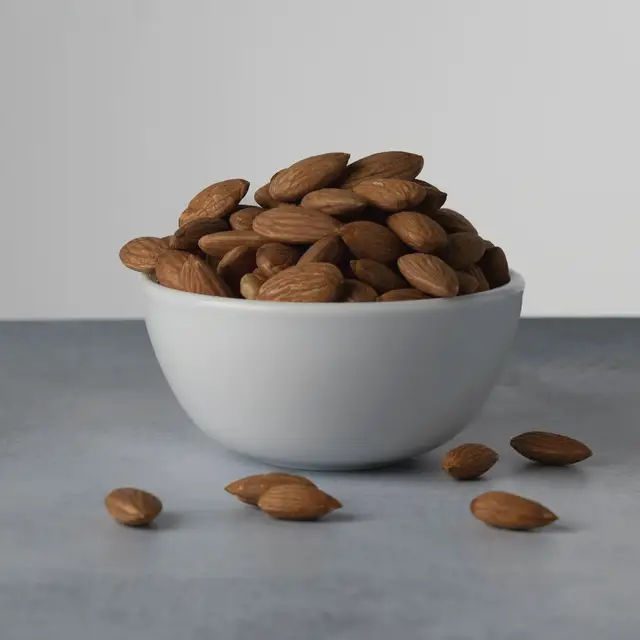 Is a between-meal snack a must?A between-meal snack isn’t required for everyone; whether you need one depends on the treatment you use. Three main meals plus three snacks was once almost a standard prescription, and everyone got the same schedule. Today the meal count is set per person, because treatment tools vary per person too. · 2 minRead more
The old rule didn’t come from nowhere. Insulin types common years ago had a long, wavy effect. When no meal met the effect’s peak hours, the day veered somewhere unexpected. A separate post on skipping meals explains why that gap makes trouble. A snack then was a ready precaution closing that gap. The tools changed; so did the reason for it.
Today’s picture is far more varied. Whether a snack does any good depends on which treatment someone uses. That treatment-based distinction belongs to “What is carb counting?”, not here. For the snack, one question only: is this meal inside the plan, or on top of the day? The same two slices of bread: a pre-counted line item in one plan, extra load in another.
An extra meal means extra carbohydrate. Studies comparing how many times a day people eat don’t all point one way. A small study split the same energy into two large meals versus six small ones; weight loss was clearer with fewer meals. Observational reviews, meanwhile, found no consistent link between eating frequency and body weight. The two don’t refute each other; both point to the day’s total being more decisive than the meal count. The issue isn’t the count, it’s the total.
| Situation | What the snack does there |
|---|---|
| Someone adjusting the dose per meal | Carries its own carbohydrate; the plan is built counting it |
| Fixed-dose insulin, or a medication prompting insulin release | Effect isn’t tied to the meal; long gaps gain importance here |
| Someone followed with diet and activity | Most of the time unnecessary; grows the day’s total |
| Long trip, shift, delayed meal | A practical precaution closing an unforeseeable gap |
Habit and need also get confused often. If the handful of nuts in the work desk drawer comes from late-afternoon hunger, that’s one answer; if from the reading’s tendency to dip between two meals, quite another. The first is a preference, the second a sign about treatment. They aren’t the same thing. When the one deciding isn’t the one eating, the distinction reads harder still; both show only as far as the outside sees.
Packaged snacks on the store shelf blur that distinction badly. A package labeled small portion is gone in a single evening’s sitting on the couch. A snack is a meal too; its contents don’t shrink because the name did.
Short answer: not a must; it depends on the treatment itself. The team that knows the treatment plan clarifies what it depends on.
This piece is for information only; it is not a diagnosis, treatment or dosing recommendation. Always make decisions about your treatment together with your doctor.
Start keeping your own record
ForMyGluco keeps your readings, medications and appointments in one place, and prepares a doctor-ready PDF in a single tap.