Food
Food and drink
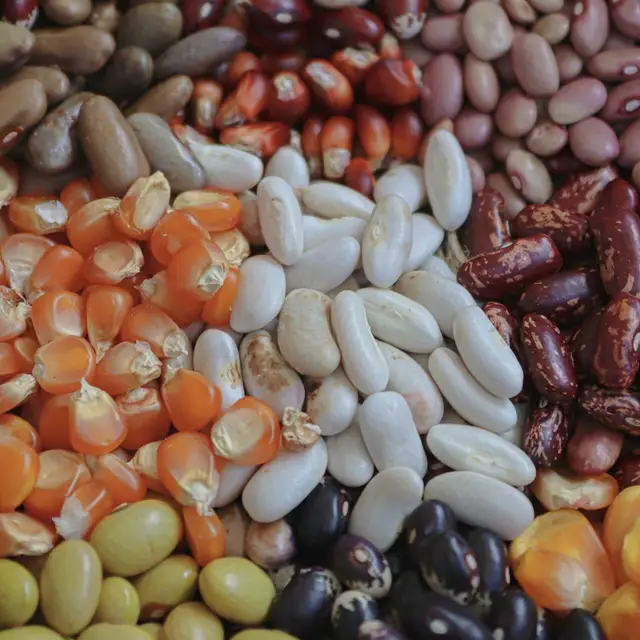 What are carbohydrates, and how many types are there?Carbohydrate is one of the three main nutrients in food, and it carries energy to the body. It has three branches: starch, sugar, and fiber. The first two break down into glucose during digestion, while fiber keeps going untouched. The question here is why all three count as one family. · 2 minRead more
Carbohydrates are a family of nutrients built from linked sugar rings. Some are one ring, some chains thousands of rings long. The saliva enzyme in the mouth starts breaking the chain; enzymes in the small intestine finish the job. Once only single rings remain, they cross the gut wall into the blood. That is the path glucose takes after a meal.
The body does not waste that glucose. Muscles and the brain use it directly as fuel; the surplus is stored in the liver and muscle tissue. The brain is tied to this fuel more tightly than other organs. That is why carbohydrate is the main energy source in most eating patterns.
Starch is the name of the long chain, dense in bread, rice, and potatoes. Sugar is the short chain. In fruit, milk, and sweet drinks, sugar is the main carbohydrate form. Fiber is a third, different kind of carbohydrate that digestive enzymes cannot take apart. The three share a roof, but part ways in the gut. The distinction looks simple on paper. Reading a label, it stands right at the center.
| Everyday example | Dominant carbohydrate form |
|---|---|
| Bread, rice, pasta, oats | Starch and some fiber |
| Apple, banana, orange, strawberry | Sugar and fiber |
| Milk, yogurt | A milk sugar called lactose |
| Lentils, chickpeas, beans | Starch and plenty of fiber |
| Potato, corn, peas | Starch |
Meat, fish, eggs, cheese, and oil carry none of these forms in notable amounts. A separate article covers in detail which food groups stand on the carbohydrate side.
Fiber is the family’s undigested end. The water-soluble and insoluble forms behave differently. Soluble fiber turns gel-like in the gut; the insoluble kind passes largely unchanged. Bacteria in the large intestine break down some of these chains. So fiber is a carbohydrate too, but it takes no part in carrying glucose to the blood.
Sweetness is a misleading clue here. Starch has no sweet taste at all, yet digestion ends at the same glucose rings.
Everyday talk often splits carbohydrate into “simple” and “complex.” That naming describes chain length, not digestion speed. What sets the speed lies elsewhere: whether the kernel was ground, the cooking time, the food’s texture, and what shares the plate. So the “complex” label alone does not mean slow.
Knowing carbohydrate makes it easier to see what is inside a package opened at lunch or a glass on the table, and to understand a label’s lines. Knowing the grams is a separate skill, covered by the label-reading article. The summary is simple. Carbohydrate is not one substance but a family with three faces.
 How does fiber affect blood sugar?Fiber is a carbohydrate no digestive enzyme can break down, and it does not enter the blood as glucose. Its effect on blood sugar is indirect: the soluble kind slows stomach emptying, so the rise after a meal spreads over more time. The peak drops, the rise remains. Fiber is not a brake, only a slowdown. · 2 minRead more
Fiber comes from the cell walls of plants. It sits in grain bran, legume skins, fruit flesh, and vegetable strings. Chemically it is a carbohydrate too, made of the same sugar rings. But people have no enzyme to split them. So fiber leaves almost as it went in.
Fiber has two families, and they work differently in the gut. Soluble fiber meets water in the stomach and gut and thickens into a sticky gel. Insoluble fiber does not dissolve in water; it adds bulk and pushes the gut contents along.
| Fiber type | Found in | Job in the gut |
|---|---|---|
| Soluble | Oats, barley, legumes, apples, citrus | Forms a water-holding gel, delays stomach emptying |
| Insoluble | Whole grain bran, vegetable stalks, nut skins | Adds bulk, shortens transit time |
The real mechanism hides in the gel. As the stomach empties into the small intestine, the gel slows that flow. When carbohydrate reaches the gut more slowly, glucose enters the blood in waves, not at once. The meal has the same carbohydrate; only its spread over time changes. The peak is lower, the curve wider.
Insoluble fiber’s job is more mechanical. It adds bulk to the gut contents and regulates the passage. In most foods the two arrive together, not separately. A bowl of lentils or a slice of whole grain bread has both. The gel soluble fiber builds keeps the stomach full longer; fullness is linked to this.
Part of the gap between whole grain and white flour starts here. Milling strips the bran and germ from the kernel, leaving a mostly starchy flour. Once the bran goes, the gel-making material goes with it. Grind size matters too: whole kernels and fine flour move at two different speeds in the gut, even on the same plate.
Fiber has a clear limit too. Adding fiber to a food does not erase the starch or sugar inside. A product whose package shows a high fiber line is not light by itself. In a review of trials raising fiber intake, long-term measures such as HbA1c came out better. The difference comes from the overall pattern, not one food. Raising fiber fast has a known effect: gas and bloating, because bacteria in the large intestine ferment this material.
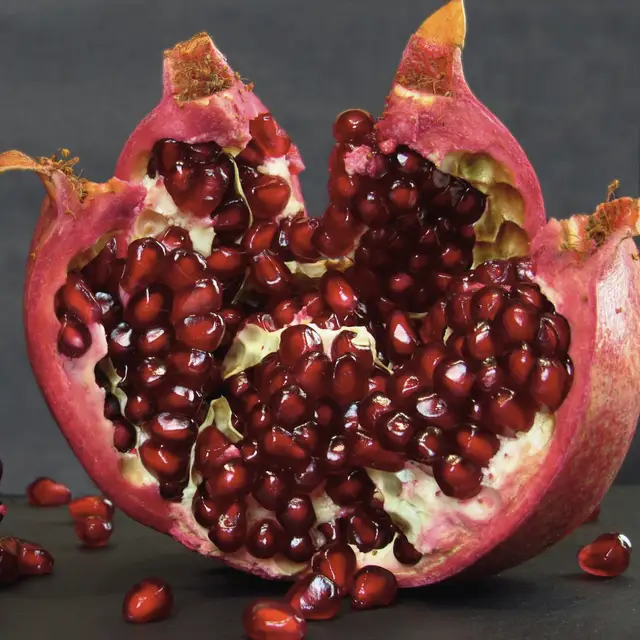 Can you eat fruit with diabetes?Fruit is not a banned food in diabetes; the sugar inside it comes along with fiber, water, and bulk. A separate article explains how whole fruit and juice part ways. The question here is where that split ends: where on that line do dried and blended forms fall, and what does the long-term data say? · 2 minRead more
Fruit’s sugar is mostly fructose, glucose, and sucrose, which combines the two. It isn’t loose like sugar in a glass; it sits inside the fruit’s cell walls. Fiber, water, and plenty of bulk surround it. Finishing an apple takes time, takes chewing, fills your stomach.
When the fruit’s form changes, that package changes too. The same fruit becomes three separate things: whole, juiced, and dried.
| Form | Fiber and water | Speed into the intestine |
|---|---|---|
| Whole fruit | Both in place | Needs chewing, leaves the stomach slowly |
| Squeezed fruit juice | Most fiber leaves with the pulp | Liquid, so it passes fast |
| Dried fruit | Fiber stays, water goes | Far denser in the same volume |
| Fruit blended whole | Both stay in place | Texture breaks up, bulk mostly stays |
Fruit juice loses two things: fiber and chewing. Separate the pulp and the fruit’s fiber stays in the strainer, not the glass. This page skips why liquid moves faster than solid; that mechanism sits under “Which drinks raise blood sugar?” Something else decides here: how many fruits went into a glass usually slips by. That many fruits side by side would look like plenty.
In dried fruit water goes, sugar stays. A handful of raisins carries far more carbohydrate than fresh grapes of equal weight. The fiber is still there, but less volume weakens its filling effect. A pocket or a work desk keeps it easily, so eating a lot unnoticed is ordinary.
Blending is its own topic. In a small twenty-person trial in healthy young people, blended fruit’s post-meal response came out lower than whole fruit’s. One small trial doesn’t set a general rule.
The long-term evidence, though, is not one piece. Three cohorts following hundreds of thousands of people for years were analyzed together: whole fruit and juice fell on opposite sides for type 2 diabetes frequency. Yet a meta-analysis pooling juices with no added sugar found no such link. In the sweetened ones the risk was higher.
No ban list comes out of this. The form and the amount decide the outcome more than the kind of fruit. A carton of ready-made juice and an orange on a plate share a name but are two different things. How much fits into a meal is the portion article’s subject.
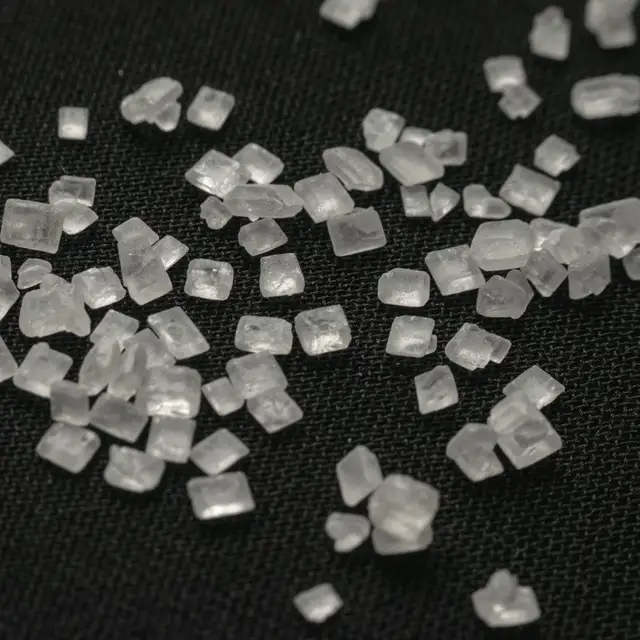 Are sweeteners harmful?Not all sweeteners are the same; there are two separate families, and the mark they leave in the body differs. The short answer to the harm question depends on which family is meant and how much is used. Intense sweeteners add no meaningful carbohydrate to a meal; too much sugar alcohol strains digestion. · 2 minRead more
Behind a “sugar free” product on the store shelf, one of these families usually stands. The first is intense sweeteners. A tiny amount tastes as sweet as sugar, so almost no weight goes in. Their grams are so small they add nothing meaningful to the product’s energy. The second is sugar alcohols; their names mostly end in -ol.
Sugar alcohols travel farther in the body. The small intestine absorbs some; the rest goes down to the large intestine. Two things happen there: the unabsorbed molecule pulls in water, and gut bacteria break it down in a way that makes gas. Bloating and loose stools come from this. The threshold shifts with the person and the substance; erythritol is usually tolerated best, sorbitol among the hardest. With a meal, the same amount causes less discomfort. For regular users, complaints usually ease within a few weeks.
| Feature | Intense sweeteners | Sugar alcohols |
|---|---|---|
| Names on the label | aspartame, sucralose, acesulfame K, stevia | sorbitol, xylitol, maltitol, erythritol |
| Amount in the product | very small, milligram level | noticeable, gram level |
| Carbohydrate contribution | next to none | small, but not zero |
| What excess does | no noticeable digestive effect | gas, bloating, loose stools |
| Sweetening power | far above sugar | close to sugar |
Sugar alcohols carry a little energy per gram, so they are not zero. The energy differs by type: erythritol gives almost none, maltitol sits closer to sugar. Gum and mints hold the same substances too. A few across the day quietly grow the total. Exactly what “contains no sugar” covers on a label belongs to a separate article.
On the safety side the picture is calmer. Expert panels like EFSA set an acceptable daily intake for each substance; the amounts you meet at the table stay well below it. The World Health Organization’s assessment of intense sweeteners is built on weight management and leaves people with diabetes out of scope. The Cochrane review, meanwhile, finds the evidence on their effect in diabetes insufficient.
On the intense sweetener side, the common question is the taste habit. A palate constantly fed very sweet things can find plain food bland over time. This effect is hard to measure. No sweetener builds an eating pattern on its own.
In practice, what decides it is what the sweetener replaces. If it stands in for a sugary drink, that meal’s carbohydrate load goes down. If it goes into tea you drink plain anyway, not much changes. So the decision turns less on the substance itself than on that swap.
 How does alcohol affect blood sugar?Alcohol’s effect doesn’t run one way: the carbohydrate in the drink pushes up first, while the alcohol itself pulls down hours later. As the liver handles alcohol, it pauses new glucose production, and that pause opens the door to a delayed drop. When the two effects stack, the picture gets muddled. · 2 minRead more
The liver has two separate lines holding blood sugar up. Alcohol pauses only one, the line building new glucose from scratch; it barely touches the store’s release. So a full store keeps the effect mild; a low store makes the same effect far more pronounced. “How does skipping a meal affect blood sugar?” shows these lines’ order in a long fast, step by step.
The reason is chemical. As the liver breaks alcohol down, the cell’s balance shifts, lactic acid builds, and the new-glucose line slows. The store, meanwhile, melts slowly in the hours after dinner. After a long gap (night sleep, or daytime movement), the store has already thinned. When the two coincide, the ground is set for a drop.
| Stage | What happens | Why |
|---|---|---|
| First hours | rise, if the drink carries carbohydrate | sugar and starch absorb fast |
| Later hours | new glucose production pauses | liver puts alcohol first |
| Night and next day | delayed drop risk | store runs low, production still slow |
| Every stage | warning signs blur | drunkenness and low-sugar signs look alike |
The drink itself is another matter. Some carry noticeable sugar and starch, some almost none. Sweetened mixes, fruity cocktails, beer, and sweet wines create an upward move in the first hours. In plain distilled drinks that load is next to none. So the same glass tells two different stories, by what’s inside.
The delay is this picture’s most surprising part. The effect shows up not while drinking but hours later. Small studies in type 1 diabetes point to a risk spanning the night after evening alcohol, possibly the next day. Sleep quiets these hours, because most signs noticed awake slip by in sleep.
The second difficulty is recognition. From outside, the first low-sugar wave and being drunk look the same. This piece doesn’t list those signs one by one; the rundown is in “How can you tell your blood sugar is dropping?” Those nearby can make the same mistake, and help comes late. If you use mealtime insulin or secretion-raising pills, the two effects stacking matters most. Other treatments usually make a milder picture.
In daily life it often runs like this: an evening party, midnight bed, an unexpected picture on waking. With no reading in the hours between, the link slips by. A glass on an empty stomach behaves differently from the same one with a meal, because absorption speed and the liver’s load change.
Context and the hour set the picture as much as amount. Alcohol’s mark varies with treatment, the day’s food, and the drinking hour. Clearing up your own picture runs through a doctor who knows the treatment.
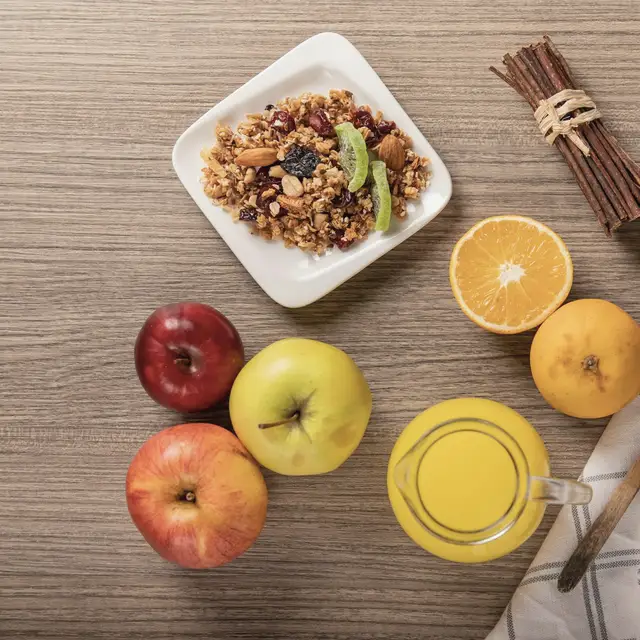 Which foods raise blood sugar?The nutrient that actually raises blood sugar is carbohydrate, and it lives in five separate food groups, not just in sweets. Protein and fat change the speed and timing of the rise. The real question isn’t which food is forbidden, but how much room each group takes up on the plate. · 2 minRead more
Digestion breaks carbohydrate into glucose, which enters the blood from the small intestine. Fat’s job is different. A physiology review calls it the nutrient that slows stomach emptying most strongly. Protein slows the stomach too, and separately stimulates insulin secretion. In fat- and protein-heavy meals, their share doesn’t end with the delay. They add to the post-meal rise themselves. So the same slice of bread reaches the blood at different hours, depending on its company. The World Health Organization’s carbohydrate guideline weighs quality over quantity: how fast the starch digests, how much fiber comes along. Think of carbohydrate as five groups, not single foods.
- Grains and flour: bread, pasta, rice, crackers, breakfast cereal.
- Starchy vegetables: potatoes, sweet potatoes, corn, peas, pumpkin.
- Legumes: beans, chickpeas, lentils, fava beans.
- Fruit and dairy: apples, bananas, grapes, milk, yogurt.
- Sugar and sugary drinks: honey, jam, fruit juice, carbonated drinks.
The most common mix-up sits in rows two and three. Potatoes, corn, and peas live in the vegetable aisle; digestion files them with the grains. Legumes too, only more slowly. A review in the American Journal of Clinical Nutrition writes that legumes produce about half the rise of other carbohydrate foods. Its second finding stings more: whole-wheat bread doesn’t behave much differently from white bread. The real divide isn’t whole grain. It’s whether the kernel has been ground. Once ground into flour, any grain digests quickly; intact rice kernels move more slowly than that same grain’s flour.
- Can you eat fruit?
- Fruit sits in the map’s fourth row, on the carbohydrate side. A whole apple and a glass of fruit juice aren’t the same thing. Without the pulp, the speed goes up.
- Are all vegetables fair game?
- Cucumbers, tomatoes, and leafy greens fall outside this map; potatoes, corn, and peas sit in row two.
- Why aren’t cheese and eggs on this list?
- Both stay on the protein-and-fat side and don’t push glucose into the blood as fast as carbohydrate. But they delay the arrival of the bread beside them; in a protein- and fat-rich meal, the rise can stretch to hours after eating.
This map isn’t a ban list. It’s a bookkeeping list. When two foods from the same group sit side by side, both go into the count. Bread and fruit juice at breakfast are one such pair.
This piece is for information only; it is not a diagnosis, treatment or dosing recommendation. Always make decisions about your treatment together with your doctor.
Start keeping your own record
ForMyGluco keeps your readings, medications and appointments in one place, and prepares a doctor-ready PDF in a single tap.