Does what I eat matter more than how much?
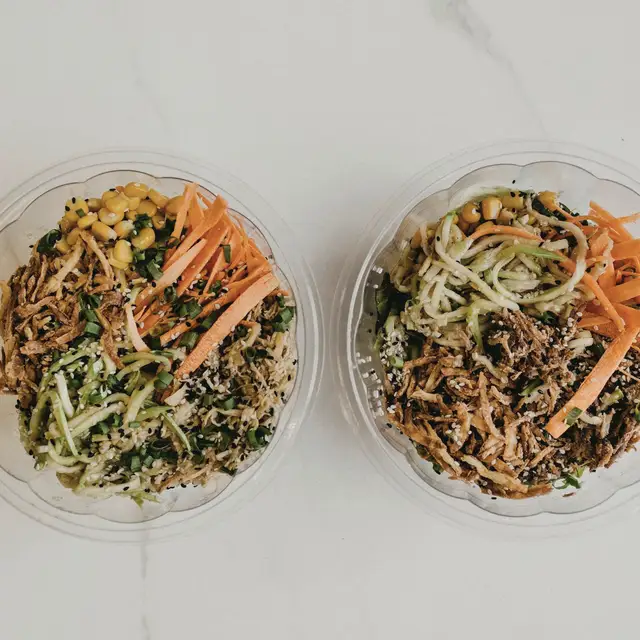
The two aren’t rivals: amount sets the size of the rise; type sets its speed and duration. One slice of the same bread versus three is a bigger gap than white flour versus whole grain. Yet three whole-grain slices don’t replace one white one. What you eat gains meaning with its share of the plate.
In diabetes, the main nutrient behind post-meal blood sugar is carbohydrate; the American Diabetes Association’s nutrition consensus report says so plainly. Digestion breaks starches and sugars apart. The freed glucose passes from gut to blood. More carbohydrate digested, more glucose in the blood. Amount works like a scaling knob.
Type changes the shape of the curve. Fiber and fat slow stomach emptying; finely milled flour speeds digestion. In 1996, Wolever and Bolognesi measured mixed meals in eight people without diabetes. Amount alone showed no meaningful link with the response; amount and glycemic index together explained about 90% of the variability. Even a healthy body needs both variables. So it isn’t either-or. The two work multiplied together.
| What changes | Seen on the curve | The kitchen equivalent |
|---|---|---|
| Amount | How high it rises | Another ladleful on the same plate |
| Type | Rise speed and duration | Intact grains instead of flour |
| The food alongside | The peak shifting later | Egg next to the bread |
| Plate and package size | A portion growing unnoticed | Family size from the store |
So why does no one tell you how many slices? The report’s answer is clear: no evidence supports a single carbohydrate amount for everyone. Instead, it draws the line by treatment. Fixed daily insulin doses call for consistent meal timing and amount; flexible dosing, carbohydrate counting.
Amount carries a trap: a property of the plate, not the food. A Cochrane review screened seventy-two trials; people served larger portions eat more. The effect runs small to moderate, but the direction never changes: big package, wide plate, value size on the shelf. The bowl from the refrigerator sets that evening’s amount before the spoon goes in.
- How many slices of bread can I eat a day?
- That number isn’t in the food itself. Your medication, the day’s remaining carbohydrate, and your activity share one equation. The consensus report defines no single amount for everyone.
- Is eating less always the better move?
- Cutting the amount shrinks the rise; emptying the plate takes the fiber too. The World Health Organization’s 2023 guideline highlights carbohydrate quality for the general population: whole grains, vegetables, fruit, legumes, and fiber.
- Should fruit be measured by the piece?
- The piece hides the size. Even two cherries from the same tree weigh differently. Measure in weight or volume, and your log stays comparable with itself.
- Does a portion have to be weighed every time?
- The scale calibrates the eye for a while. Weigh the same bowl for a few weeks; estimating by sight follows. The goal isn’t weighing for life; it’s learning the scale once.
Sources
- Evert AB, Dennison M, Gardner CD, Garvey WT, Lau KHK, MacLeod J, Mitri J, Pereira RF, Rawlings K, Robinson S, Saslow L, Uelmen S, Urbanski PB, Yancy WS Jr. Nutrition Therapy for Adults With Diabetes or Prediabetes: A Consensus Report. Diabetes Care. 2019;42(5):731-754.
- Wolever TMS, Bolognesi C. Prediction of glucose and insulin responses of normal subjects after consuming mixed meals varying in energy, protein, fat, carbohydrate and glycemic index. The Journal of Nutrition. 1996;126(11):2807-2812.
- Hollands GJ, Shemilt I, Marteau TM, Jebb SA, Lewis HB, Wei Y, Higgins JPT, Ogilvie D. Portion, package or tableware size for changing selection and consumption of food, alcohol and tobacco. Cochrane Database of Systematic Reviews. 2015;(9):CD011045.
- World Health Organization. Carbohydrate intake for adults and children: WHO guideline. Geneva: World Health Organization; 2023. ISBN 978-92-4-007359-3.