Are sweeteners harmful?
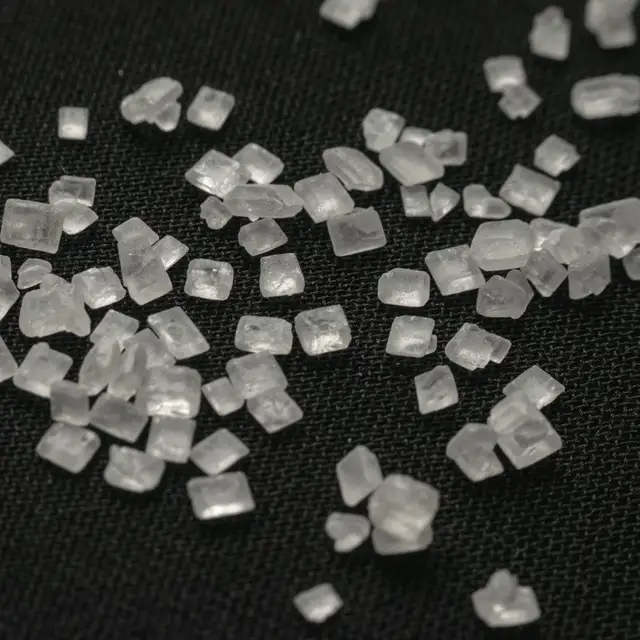
Not all sweeteners are the same; there are two separate families, and the mark they leave in the body differs. The short answer to the harm question depends on which family is meant and how much is used. Intense sweeteners add no meaningful carbohydrate to a meal; too much sugar alcohol strains digestion.
Behind a “sugar free” product on the store shelf, one of these families usually stands. The first is intense sweeteners. A tiny amount tastes as sweet as sugar, so almost no weight goes in. Their grams are so small they add nothing meaningful to the product’s energy. The second is sugar alcohols; their names mostly end in -ol.
Sugar alcohols travel farther in the body. The small intestine absorbs some; the rest goes down to the large intestine. Two things happen there: the unabsorbed molecule pulls in water, and gut bacteria break it down in a way that makes gas. Bloating and loose stools come from this. The threshold shifts with the person and the substance; erythritol is usually tolerated best, sorbitol among the hardest. With a meal, the same amount causes less discomfort. For regular users, complaints usually ease within a few weeks.
| Feature | Intense sweeteners | Sugar alcohols |
|---|---|---|
| Names on the label | aspartame, sucralose, acesulfame K, stevia | sorbitol, xylitol, maltitol, erythritol |
| Amount in the product | very small, milligram level | noticeable, gram level |
| Carbohydrate contribution | next to none | small, but not zero |
| What excess does | no noticeable digestive effect | gas, bloating, loose stools |
| Sweetening power | far above sugar | close to sugar |
Sugar alcohols carry a little energy per gram, so they are not zero. The energy differs by type: erythritol gives almost none, maltitol sits closer to sugar. Gum and mints hold the same substances too. A few across the day quietly grow the total. Exactly what “contains no sugar” covers on a label belongs to a separate article.
On the safety side the picture is calmer. Expert panels like EFSA set an acceptable daily intake for each substance; the amounts you meet at the table stay well below it. The World Health Organization’s assessment of intense sweeteners is built on weight management and leaves people with diabetes out of scope. The Cochrane review, meanwhile, finds the evidence on their effect in diabetes insufficient.
On the intense sweetener side, the common question is the taste habit. A palate constantly fed very sweet things can find plain food bland over time. This effect is hard to measure. No sweetener builds an eating pattern on its own.
In practice, what decides it is what the sweetener replaces. If it stands in for a sugary drink, that meal’s carbohydrate load goes down. If it goes into tea you drink plain anyway, not much changes. So the decision turns less on the substance itself than on that swap.
Sources
- World Health Organization. Use of Non-Sugar Sweeteners: WHO Guideline. Geneva: World Health Organization; 2023.
- American Diabetes Association Professional Practice Committee. 5. Facilitating Positive Health Behaviors and Well-being to Improve Health Outcomes: Standards of Care in Diabetes—2026. Diabetes Care. 2026;49(Suppl. 1):S89–S131.
- Mäkinen KK. Gastrointestinal Disturbances Associated with the Consumption of Sugar Alcohols with Special Consideration of Xylitol: Scientific Review and Instructions for Dentists and Other Health-Care Professionals. International Journal of Dentistry. 2016;2016:5967907.
- Lohner S, Kuellenberg de Gaudry D, Toews I, Ferenci T, Meerpohl JJ. Non-nutritive sweeteners for diabetes mellitus. Cochrane Database of Systematic Reviews. 2020;5(5):CD012885.